
Towns & Villages
Roquetas de Mar City Guide 2025. What to do?
Published May 12, 2025 | Category: Towns & Villages
Discover Roquetas de Mar: beaches, local cuisine, top hotels, and real estate opportunities. Your complete 2025 guide to this popular coastal town in Almería.
Roquetas de Mar: A Complete Travel Guide for 2025
Roquetas de Mar Almería is one of the most visited destinations in the province, blending long sandy beaches with modern infrastructure and traditional Andalusian character. Popular among both Spanish and international travelers, Roquetas offers a wide range of family-friendly attractions, culinary highlights, and real estate options — all set along the Mediterranean coast.
Roquetas de Mar Almería is not only a thriving beach town, but also a growing residential hub. From its lively promenade to the protected Punta Entinas-Sabinar wetlands, Roquetas combines leisure, nature, and commerce in a way few towns in Almería can. This guide shows you exactly where to eat, stay, and invest in 2025.
Table of Contents
- History & Cultural Evolution of Roquetas de Mar
- Where to Eat in Roquetas de Mar
- Where to Stay in Roquetas de Mar
- Real Estate in Roquetas de Mar
- Things to Do in and Around Roquetas de Mar
- 🎆 Local Festivities & Public Holidays
- 🌟 Free Access & Public Amenities
- ⚠️ Emergency Services & Useful Contacts
- Advertise Your Business in Roquetas de Mar
History & Cultural Evolution of Roquetas de Mar
Roquetas de Mar has a history that stretches back to Roman times, when it was part of the maritime and agricultural economy of ancient Turaniana. Remains of this Roman settlement can still be found in the area today. During the Moorish period, Roquetas served as a coastal watchpoint, with defensive towers like the Castillo de Santa Ana built to protect the shoreline from pirates and invaders.
Following the Christian Reconquista, the town became part of the Kingdom of Castile and remained largely agricultural until the 20th century. Its salt flats and fishing economy supported local life for centuries. In the 1960s and 70s, Roquetas began transforming into a tourism-driven town, with beaches, marinas, and hotels springing up to serve the growing number of visitors.
Today, Roquetas de Mar is one of Almería’s most developed tourist hubs, known for its family-friendly atmosphere, long promenades, and cultural attractions. Landmarks such as the Auditorio de Roquetas, Plaza de Toros, and restored Castillo de Santa Ana blend the modern and historic aspects of this dynamic coastal town.
Where to Stay in Roquetas de Mar Almería
- Hotel Best Sabinal: Beachfront hotel with pools, spa, entertainment, and direct access to the promenade.
- Evenia Zoraida Garden: Family-friendly resort offering all-inclusive packages and ocean views.
- Apartamentos Moguima: Self-catering holiday apartments near Playa Serena with a peaceful atmosphere.
- Hotel Neptuno: Stylish hotel with excellent service, ideal for couples and longer stays.
- Don Ángel Hotel: Comfortable 4-star hotel located near the marina, with a large pool and sea-facing rooms.
Where to Eat in Roquetas de Mar
- Restaurante La Gruta: Set inside a natural cave, this fine dining spot is known for seafood and an unforgettable setting.
- Brasserie Panini: Mediterranean-European fusion with vegetarian options and top service, popular among locals and tourists alike.
- Restaurante Alejandro: Upscale Spanish cuisine and tasting menus near the beachfront promenade.
- El Rincon Secreto Tapas Bar: Hidden gem with authentic tapas, craft beers, and cozy ambiance.
- La Barra: Modern gastropub with fresh ingredients, creative dishes, and a buzzing evening crowd.
Real Estate in Roquetas de Mar
- Almeria Housing: A well-established agency offering coastal apartments and villas along the Almeria Coast.
- Inmobiliaria Costa 2000: Specializes in beachfront properties and long-term investment opportunities.
- Grupo Platinum Estates: International agents with multilingual staff and luxury listings.
- Don Piso Roquetas: Local experts with a broad portfolio of urban and suburban homes.
Whether you’re looking for a holiday apartment or permanent residence, Roquetas de Mar Almeria offers a mature property market with strong infrastructure, tourism value, and a variety of price points. Visit the Roquetas Town Hall website for legal guidance and municipal services.
Things to Do in and Around Roquetas de Mar
- Castillo de Santa Ana: Historic fortress hosting exhibitions, concerts, and scenic views of the coastline.
- Aquarium Costa de Almería: A family-friendly marine center with walk-through tanks and daily shows.
- Punta Entinas-Sabinar Natural Park: Protected wetland with birdwatching trails, beaches, and salt flats.
- Playa Serena Golf Club: One of Almería’s top golf courses with 18 holes and coastal winds.
- Paseo Marítimo: A scenic promenade for evening walks, lined with palm trees, cafes, and beach access.
🎆 Local Festivities & Public Holidays
Roquetas de Mar celebrates a range of vibrant festivals, blending Andalusian tradition with coastal charm.
- Virgen del Rosario (October): The town’s main patron saint festival, with processions, music, and fireworks.
- San Juan (June 23–24): A beach festival with bonfires, night swims, and fireworks to welcome summer.
- Carnival (February/March): Colorful parades and costume contests across the town center.
- Semana Santa (Holy Week): Traditional Easter processions with local brotherhoods.
Note that all Andalusian and national holidays apply here. Plan ahead for shop closures.
🌟 Free Access & Public Amenities in Roquetas de Mar
Roquetas de Mar offers a wide variety of no-cost attractions and community services, perfect for budget-conscious travelers or residents.
🎨 Free Attractions
- Castillo de Santa Ana: Free entry to exhibitions and rooftop views.
- Open-air concerts: Summer cultural programs at Plaza de Toros and public parks.
- Local artisan markets: Held weekly, especially along Avenida del Mediterráneo.
🚯 Nature & Trails
- Coastal walk to Punta Entinas: Flat trails leading to dunes, wetlands, and quiet beaches.
- Urban cycling paths: Well-marked bike lanes throughout the town’s seafront and interior.
📚 Community Resources
- Biblioteca Municipal: Free Wi-Fi, study rooms, and children’s reading corners.
- Casa de la Cultura: Cultural center with workshops, exhibitions, and music events.
⚠️ Emergency Services & Useful Contacts
Emergency Numbers
- General emergency (EU-wide): 112
- Medical emergencies: 061
- Local Police (Policía Local): 950 338 585
- Guardia Civil: 950 338 004
- Fire brigade (Bomberos): 085
🏥 Health Centers
- Centro de Salud Roquetas Norte: C. Ronda, 53 – Tel: 950 338 501
- Centro de Salud Roquetas Sur: Av. Unión Europea – Tel: 950 338 502
🎒 Pharmacies
- Farmacia del Puerto: Paseo del Mar, 6 – Tel: 950 338 210
- Farmacia Campillo: Av. Juan Carlos I – Tel: 950 338 330
📅 Municipal Services
- Town Hall (Ayuntamiento de Roquetas de Mar): Plaza Luis Martín, 1 – Tel: 950 338 500 – roquetasdemar.es
🔗 Useful Links
Advertise Your Business in Roquetas de Mar
Thousands of readers explore this guide every month. Want to feature your hotel, restaurant, or service here?
For more local insights, visit our Travel Tips section or explore other Towns & Villages in Almería.
*All listings and details are current as of May 2025. Please confirm directly with businesses for latest updates.*


Travel Tips
Cantoria guide. Discover Cantoria
Published January 6, 2026 | Category: Travel Tips
TL;DR: Cantoria is a larger inland town in the Almanzora valley shaped by industry and work. It functions as a regional centre for services and production rather than tourism.
Cantoria is a working inland town built around stone, logistics and routine
Cantoria sits in the Almanzora valley in inland Almeria and operates at a different scale than the surrounding villages. This is not a place defined by silence or scenery, but by movement, work and infrastructure. From the first impression, it is clear that Cantoria exists to function.
The town’s development has been shaped by stone, transport and long-standing industrial activity. That history still defines how Cantoria looks, sounds and feels today. Visitors expecting a white village experience will be disoriented. Those who arrive with practical expectations will recognise the logic immediately.
Contents
- Overview and location
- History and development
- Marble, stone and the industrial economy
- What the town feels like
- Services and facilities
- Traditional food and daily eating
- Market
- Vía Verde and outdoor routes
- Access, traffic and parking
- Campers, motorhomes and caravans
- Festivals and local events
- Why stop here / why skip it
- Practical information
- Who is Cantoria for?
Overview and location
Cantoria lies along one of the main corridors of the Almanzora valley, with direct road access to industrial zones, neighbouring towns and regional routes. Its position explains much of its character: Cantoria connects places rather than isolates them.
The surrounding landscape is utilitarian rather than scenic. Industrial estates, transport routes and working farmland dominate the edges of town. This is not accidental. Cantoria grew where it could move materials efficiently.
History and development
Cantoria’s past wealth left behind a small number of stately buildings linked to 19th-century power and industry, including palatial structures associated with the Marquisate of Almanzora. These buildings speak of a time when status and architecture were tools of visibility.
Today, many of these structures stand diminished by their surroundings. Historic façades are overshadowed by modern concrete, logistics yards and industrial sheds. The contrast is not harmonious; it is jarring.
This is not a town that has balanced preservation and progress. Cantoria chose expansion and output, and the older architecture was left to coexist, uneasily, with a landscape built for efficiency. The result is not picturesque contrast but aesthetic rupture.
These buildings matter not because they beautify the town, but because they reveal what was sacrificed to get here.
Marble, stone and the industrial economy
Stone is not just part of Cantoria’s economy; it dominates the town’s physical reality. Large-scale marble and stone operations surround the settlement and define its skyline. This is not a village with an industrial zone nearby. It is an industrial landscape with a town attached to it.
The wealth of Cantoria has been built on marble, and the price is visible everywhere. Massive metal warehouses, processing halls and storage yards block views, absorb light and flatten the horizon. The aesthetic cost is not accidental; it is the direct result of prioritising production over appearance.
This is where the familiar “Almeria dream” of white villages and open views ends. In Cantoria, industry wins every negotiation. Dust, noise and constant movement are not side effects but structural features of daily life.
For those who work here, this trade-off makes sense. For anyone arriving with romantic expectations, it is a shock. Cantoria does not hide its purpose, and it does not apologise for it.
What the town feels like
Cantoria feels busy. Compared to smaller villages, there is more movement, more sound and less visual coherence. Delivery vans, trucks and private vehicles are part of the daily rhythm.
The town does not invite wandering. Streets exist to move people and goods efficiently. Public space is practical rather than performative. This can feel harsh to visitors expecting charm, but for residents it provides clarity and purpose.
Context matters: Cantoria is not trying to be charming, quiet or scenic. It is optimised for output. Judging it by village aesthetics misses the point entirely.
Services and facilities
As a regional centre, Cantoria offers a wide range of practical services. Banks, supermarkets, garages, hardware suppliers and industrial services are readily available. This is one of the reasons people from smaller surrounding towns regularly come here.
Opening hours follow working patterns. Expect morning activity and quieter afternoons. Services exist to support daily life and business, not to cater to visitors.
Cantoria is useful. That is its core advantage.
Traditional food and daily eating
Food in Cantoria reflects its working identity. Meals are built around routine, fuel and familiarity rather than experimentation.
Two local dishes you may encounter are gurullos con conejo, a thick stew made with handmade pasta pieces, rabbit and local spices, and migas, prepared with flour, olive oil and garlic, often served with peppers or sardines. These are filling, practical dishes rooted in agricultural and labour traditions.
Eating out follows local schedules. Menu del día dominates lunchtime. Evening dining is quieter and limited. This is not a food destination; it is a place where people eat to continue their day.
Market
Cantoria hosts a general market every Wednesday morning. It is one of the larger weekly markets in this part of the Almanzora valley and reflects the town’s role as a local centre rather than a visitor attraction.
| Day | Wednesday |
|---|---|
| Type | General local market |
| Location | Plaza Constitución |
| Time | 08:00 – 14:00 |
| Stalls | Approx. 40 |
The market is busy, practical and unromantic. Clothing, household goods and everyday items dominate. People come to buy what they need, not to browse or linger.
If Wednesday falls on a public holiday, the market may shrink or change without much notice. Locals adapt; visitors should remain flexible.
Vía Verde and outdoor routes
The Vía Verde passes through the Cantoria area, following a former railway corridor. On a map, it suggests leisure, cycling and nature. On the ground, the experience is very different.
This stretch of Vía Verde runs through an active industrial marble zone. It is a grey strip of asphalt bordered by warehouses, truck routes and storage areas. Calling it a nature experience would be misleading.
As infrastructure, it has limited utility: a flat, car-free route from one point to another. As an attraction, it fails. Anyone coming here for scenery or tranquillity will feel misled.
Use it only if you need to move without a car. Do not come looking for landscape or escape.
Access, traffic and parking
Cantoria is easy to reach by road and functions as a transit point. Traffic volume is higher than in surrounding villages, particularly due to industrial activity.
Parking is practical but not elegant. Central areas can feel congested, and working vehicles often dictate how space is used. Efficiency takes priority over courtesy.
Practical advice: park slightly outside the busiest zones and walk in. Cantoria moves at a working pace, not a visitor’s.
Campers, motorhomes and caravans
Cantoria is not a camper destination. It may serve as a practical stop for supplies or rest, but it offers little in terms of atmosphere or facilities for longer stays.
There are no scenic camper areas and no tolerance for camping behaviour in public spaces. Treat Cantoria as a functional pause, not a base.
Festivals and local events
Local festivals exist and are important to residents, but they are not designed as visitor attractions. During these periods, the town becomes livelier and social rhythms change temporarily.
Outside festival dates, Cantoria returns quickly to its working routine.
For province-wide public holidays, see Almeria local holidays.
Why stop here / why skip it
Why stop here:
- Reliable access to services and supplies
- Understanding the industrial heart of the Almanzora
- Practical base for work-related stays
Why skip it:
- Low visual appeal
- No tourist-focused attractions
- Busy, functional atmosphere
Practical information
- Car recommended: yes
- Best use: services, work, logistics
- Official website: Ayuntamiento de Cantoria
Who is Cantoria for?
Cantoria works for people who are here to do something. Workers in the marble industry, long-term residents with practical needs, and anyone whose priorities are access, employment and services rather than atmosphere.
It does not work for slow-travel enthusiasts, aesthetic wanderers or anyone chasing the idea of a relaxed Andalusian village. Arriving here in linen trousers and a straw hat, expecting calm and charm, means arriving completely misaligned with reality.
This is a town of forklifts, vans and shift schedules. If you are not here to work, resupply or pass through with a purpose, Cantoria will feel hostile, loud and unrewarding.
Explore more clear-eyed guides to towns and villages across the province in Towns & Villages.
Travel Tips
Canjayar guide. Discover Canjayar
Published January 4, 2026 | Category: Travel Tips
TL;DR: Canjayar is a larger inland town in the Andarax valley with basic services and facilities. It functions as a local centre rather than a tourist village.
Canjayar is a working valley town built around services, agriculture and routine
Canjayar lies in the Andarax valley in inland Almeria, positioned between smaller agricultural villages and the higher Alpujarra settlements. It is not a destination shaped by tourism or scenery, but by function. This is a town that exists to serve its surroundings: administratively, commercially and socially.
Compared to nearby villages, Canjayar feels larger, more structured and more active. Streets are wider, traffic is more present and daily life follows working schedules rather than visitor patterns. For travellers expecting a quiet white village, this can feel abrupt. For residents and long-term visitors, it provides stability and access to services that are otherwise scarce in the valley.
Contents
- Overview and location
- History and identity
- What the town feels like
- Services and facilities
- Agriculture and local economy
- Traditional food and eating habits
- Market and local commerce
- Festivals and local events
- Access and movement
- Campers, motorhomes and caravans
- Why stop here / why skip it
- Practical information
- Who is Canjayar for?
Overview and location
Canjayar is located along the A-348, the main road running through the Andarax valley. This position makes it a natural junction point between inland farming communities and the provincial capital of Almeria. The surrounding landscape is defined by olive groves, vineyards and terraced slopes rather than dramatic mountain scenery.
The town sits at approximately 618 metres above sea level. Summers are hot and dry, while winters are cooler than on the coast, especially at night. Seasonal rhythms strongly influence daily routines, with early starts during summer months and quieter afternoons during peak heat.
History and identity
Canjayar’s identity is anchored in a single event that still defines the town’s self-image today. In 1611, a wooden cross was reportedly discovered inside a wall following a recurring dream experienced by a local caretaker. This episode, later formalised as the cult of the Santo Cristo del Bosque, became the spiritual and symbolic centre of the town.
The scale of the main church is the clearest physical expression of that moment. It is strikingly large for a town of Canjayar’s current size, built for a population and a level of regional importance that no longer exists. This is not decorative excess; it is a monument to a period when Canjayar saw itself as a central reference point in the valley.
That contrast still matters. The church is not oversized by accident, nor by poor planning. It reflects a historical confidence — some would call it ambition — that has outlived the demographic reality of the town. In practical terms, Canjayar today operates as a service centre. Symbolically, it continues to present itself as something larger.
Religious celebrations linked to the Holy Cross are therefore not just tradition, but continuity. They reinforce an identity rooted in a past moment of importance, one that still shapes how the town understands its role within the Andarax valley.
What the town feels like
Canjayar feels practical and lived-in. The main streets are designed for movement and commerce rather than visual appeal. Traffic, including agricultural vehicles, is part of everyday life.
This is not a town that performs charm. It operates. Shops open to serve locals, cafés cater to routine customers, and public spaces are used functionally. Visitors expecting curated authenticity may feel disconnected; those seeking a realistic inland town will recognise the rhythm immediately.
Services and facilities
Canjayar functions as a service centre for the surrounding valley, and that role is practical rather than aspirational. The town has two banks — Unicaja and Cajamar — which, for this part of inland Almeria, is effectively the full menu. Both provide cash machines, but opening hours are limited and should not be assumed outside standard weekday mornings.
This matters. If you arrive late, during siesta, or on a local holiday, you may find doors closed and queues forming around the few working ATMs. Foreign cards generally work, but this is not a place for last-minute banking confidence. Treat Canjayar as a place to plan ahead, not to improvise.
Supermarkets exist to serve local households and agricultural workers. These are not delicatessen-style food shops or places for curated browsing. Expect bulk products, large-format staples and practical pricing. Five-kilo bags of flour make more sense here than artisan olive oil gift sets.
There is also a pharmacy, basic retail and everyday services that are absent in smaller neighbouring villages. This is why residents from surrounding settlements regularly travel into Canjayar: not for choice, but for access.
The key point is simple. Canjayar does not offer variety; it offers reliability. If you need essentials, you will find them here. If you are looking for selection, atmosphere or extended opening hours, you are in the wrong town.
Agriculture and local economy
Agriculture is central to Canjayar’s economy. Olive oil and grape cultivation dominate the valley, and the presence of large storage buildings and agricultural infrastructure reflects this focus.
During harvest periods, the town becomes noticeably busier. The smell of pressed olives, the movement of machinery and increased traffic are all part of seasonal life. This reinforces the town’s identity as a working centre rather than a residential retreat.
Traditional food and eating habits
Food in Canjayar follows traditional inland Andalusian patterns. Menus are shaped by familiarity and routine rather than experimentation. Expect stews, grilled meats, seasonal vegetables and simple desserts.
Opening hours can be limited outside peak periods, and dining is structured around local schedules. Lunch remains the main meal of the day, and evenings are generally quieter than in coastal towns.
Market and local commerce
Canjayar hosts a small general market on the 1st and 15th of each month, usually between 9:00 and 14:00 along Calle Santa Cruz. On paper, that sounds structured. In practice, it is subject to the usual Andalusian uncertainty. When market days fall on a Sunday or a public holiday, outcomes vary: sometimes the market shifts, sometimes it shrinks, sometimes it simply does not happen. Locals know. Visitors often do not.
The scale is modest. Around ten stalls is typical, which makes the market functional rather than expressive. This is not a place for regional pride or artisan discovery. It exists to serve routine needs.
The offer is predictable: clothing basics, socks, household plastics, inexpensive accessories and everyday items. If you have seen one small inland market in Almeria, you have effectively seen this one. There are no hidden gems here and no reason to build a visit around it.
In context, the market reflects the town itself. Despite Canjayar’s role as a local centre, the market remains skeletal. It is practical, unambitious and easy to miss. Come if you happen to be nearby on the right morning; do not come expecting atmosphere or variety.
Festivals and local events
The town’s festive calendar is closely tied to religious celebrations. Events related to the Holy Cross are among the most significant, alongside seasonal fiestas organised by the municipality.
During these periods, Canjayar becomes noticeably more active. Streets are busier, social life extends into the evening and the town briefly takes on a different rhythm. Outside fiesta dates, life returns quickly to its usual pace.
For province-wide public holidays, see Almeria local holidays.
Access and movement
Canjayar is easy to reach by road and sits directly on the A-348, which makes it a natural stop in the Andarax valley. Movement inside the town, however, follows local rules more than official ones. Agricultural vehicles and working vans set the pace, and the centre can feel chaotic at ordinary moments, not only during fiestas.
Parking in the central streets is not “a bit tight”. It is a patience test. Locals will stop a van where it suits them, put the hazard lights on, and treat the road as temporarily theirs while they buy bread or run an errand. This is normal behaviour here. If you approach the centre with visitor expectations, you will end up frustrated.
Practical advice: avoid driving into the plaza area if you do not have to. Park on the edge of town or on wider streets, then walk in. The locals own the asphalt here; you are just passing through.
The same applies to traffic. Tractors and slow vehicles are part of daily life, and the correct response is not aggression but adaptation. Build extra minutes into your route and treat Canjayar as a working town, not a visitor zone.
Campers, motorhomes and caravans
Canjayar is used by some camper and motorhome travellers as a practical stop rather than a destination. Facilities are limited and intended for short stays.
This is not a campsite. Camping behaviour such as setting up tables, awnings or extended stays is generally discouraged. Travellers should treat Canjayar as a service stop: park, rest, resupply and move on.
Important: wild camping is not permitted. Always follow local regulations and signage.
Why stop here / why skip it
Why stop here:
- Access to banks, supermarkets and a pharmacy
- Reliable place to resupply before entering smaller villages
- Clear example of a functioning inland Andalusian town
Why skip it:
- Limited visual appeal compared to white villages
- No concentrated tourist attractions
- Daily life prioritises locals over visitors
Practical information
- Car recommended: yes
- Best use: service stop or base for the valley
- Shops: open mainly mornings and early afternoons
- Official website: Ayuntamiento de Canjayar
The municipal website
The official town hall website is available and useful in theory, but the experience is slow and dated. Pages can take long enough to load that it becomes easier to ask a local in the plaza than to wait for the information to appear on screen. Ayuntamiento de Canjayar
This matters because it reflects the wider reality. If you ever need to do more than buy bread and withdraw cash — paperwork, municipal procedures, appointment-style errands — you should expect the same pace and friction. Canjayar works, but it works on local time.
Practical advice: if you rely on online municipal information, check it early and double-check it. For anything time-sensitive, confirm locally rather than trusting a last-minute web lookup.
Who is Canjayar for?
Canjayar suits travellers and residents who value practicality over aesthetics. It works well for people staying inland for longer periods, remote workers who need services, and those exploring the Andarax valley systematically.
It is less suitable for visitors seeking scenic village experiences, nightlife or a concentrated tourist offering.
Want more structured guides to inland towns and villages? Browse the full collection in Towns & Villages.
Travel Tips
Berja guide. Discover Berja
Published January 4, 2026 | Category: Travel Tips
TL;DR: Berja is a medium-sized town in the western Alpujarra of Almeria. Lively by provincial standards, with real services, a busy weekly market and a strong local identity.
Berja is a working market town with regional weight, not a mountain postcard
Berja is not a quiet village and not a tourist showcase. It is a functioning town that serves as a local hub for surrounding villages in the western Alpujarra and the inland area behind El Ejido.
With a population of around 12,000 residents, Berja has schools, sports facilities, shops and administrative services. Daily life is active, practical and local, with little interest in adapting to visitors.
Table of contents
- Overview and location
- Urban layout and history
- Daily life and facilities
- Weekly market
- Local food and eating
- Festivals and local events
- Access and roads
- Campers, motorhomes and caravans
- Who is Berja for?
- Practical information
Overview and location
Berja lies on the southern slopes of the Sierra de Gádor, between the Alpujarra mountains and the agricultural plains of El Ejido. Its position makes it a natural meeting point between mountain villages and the intensive farming areas of the Poniente.
The surrounding landscape is a mix of terraced hillsides, olive groves and greenhouses further downhill. Berja itself feels solid and built-up rather than scenic.
Berja’s position is not scenic, but strategic. It sits where mountain life transitions into intensive agriculture, and that dual role defines the town’s rhythm. Early mornings belong to workers heading both uphill and downhill; afternoons belong to errands, deliveries and administration.
This is not a town you pass through accidentally. You come here because you need something: paperwork, supplies, appointments or the market. The landscape frames Berja, but it does not dominate it.
Urban layout and history
Berja has a layered urban structure. The historic centre consists of narrow streets and older buildings, while newer residential areas and sports facilities spread outward.
The town has Roman roots (ancient Vergi) and later Moorish influence, but history here is embedded in everyday use rather than curated for visitors. This is not an open-air museum.
Berja may have Phoenician or Iberian origins and was known to the Romans as Vergis or Vergium, forming part of the Roman province of Baetica. Archaeological remains have been found in the area of Villa Vieja, including traces of an amphitheatre, an aqueduct and Roman mosaics.
Some of these mosaics show stylistic and technical similarities to those found in Pompeii and Herculaneum. They point to a settled Roman population, but today these remains are scattered and integrated into the modern town rather than presented as a single archaeological site.
The town’s patron saint, San Tesifón, is traditionally associated with the early spread of Christianity in the area. Coins, crosses and a sarcophagus linked to this period were discovered in the Alcaudique area. The original sarcophagus is held in the National Archaeological Museum in Madrid, with a reproduction displayed in the Museum of Almería.
Historical layers in Berja are not highlighted or signposted. Roman and Moorish traces exist, but they are absorbed into modern use: homes, streets and everyday infrastructure. Nothing here asks to be admired; everything is meant to function.
Visitors looking for restored heritage routes or explanatory panels will find little guidance. Berja assumes familiarity rather than curiosity.
Daily life and facilities
Berja offers full day-to-day services: supermarkets, banks, medical centres, schools and a wide range of local shops. It functions as a service town for smaller nearby villages.
Social life is visible throughout the day, especially in bars and cafés around the centre. This is a town that runs on routines, not on seasonal tourism.
Because Berja serves a wide hinterland, shops and services are busy, direct and efficiency-driven. Transactions are quick, queues are normal and patience is expected. This is not a place where staff slow down for explanation.
Without Spanish, daily interactions can feel abrupt. This is not hostility, but habit. Berja operates on the assumption of local knowledge.
Berja also has a covered food market (Mercado de Abastos), which reflects everyday local trade rather than tourism. It is used mainly by residents for fresh produce and fish, including supplies arriving from the nearby fishing port of Adra.
Berja does not revolve around visitors. If you arrive without Spanish or without a reason to be here, you may feel ignored rather than welcomed.
Weekly market
Berja has a large and busy street market that serves both the town and the surrounding area.
| Day | Alternating Mondays |
|---|---|
| Type | General local market |
| Location | Avenida de los Estudiantes |
| Time | 09:00 – 14:00 |
| Stalls | Approx. 60 |
The market is functional and crowded, with food, clothing and household goods. It is not designed for browsing at leisure, but for buying in volume.
On market days, traffic and parking around Avenida de los Estudiantes can be congested.
Local food and eating
Food in Berja reflects inland Almeria: hearty, traditional and closely tied to agricultural work rather than leisure or experimentation.
Migas remain a staple. In Berja they are typically served with pork, chorizo, peppers or sardines, depending on availability. Portions are large and filling, designed for people who work physically and eat once or twice a day rather than grazing.
Olla de trigo is one of the most characteristic local dishes. It is a slow-cooked stew made from wheat, legumes, vegetables and various cuts of meat. Heavy, nutritious and practical, it is eaten mainly in colder months and often prepared in large quantities.
Meals here follow availability, not preference. Menus change little, substitutions are uncommon and special diets are rarely accommodated. Food is cooked to sustain work and routine, not to entertain.
If your diet requires explanations, substitutions or special handling, Berja is unlikely to adapt.
Festivals and local events
Fiestas are one of the few moments when Berja visibly slows down and turns outward. For most of the year, the town runs on work routines and services. During festival periods, public life briefly takes precedence.
The most important celebrations are held in honour of San Tesifón, Berja’s patron saint. These fiestas bring together residents, families who have moved away and people from surrounding villages.
Expect processions, evening gatherings, music, fairground attractions and communal eating. The scale is regional rather than touristic, and the focus is on participation, not presentation.
These events are organised for residents and returning locals. Visitors are not excluded, but nothing is adapted or explained. You join in by observing first and following along.
If you plan your visit around public holidays or local fiestas, consult the provincial overview here: Almeria Local Holidays.
Exact dates can vary from year to year. For the most reliable local updates, check the municipal website or local notices: berja.es.
Access and roads
Berja is easily reached by road from El Ejido and the A-7 coastal corridor, making it one of the more accessible inland towns in this part of the province.
The approach from the Sierra de Gádor involves winding mountain roads, but these are generally well maintained and manageable for regular traffic. The route reflects Berja’s role as a link between mountain villages and the Poniente plain.
Traffic increases noticeably on alternating Mondays due to the weekly market, as well as during major festival periods. On those days, delays and limited parking should be expected rather than treated as exceptions.
Within the town itself, Berja is uneven and steep in places. Streets rise and fall noticeably, which can make walking physically demanding, especially in summer or for visitors with limited mobility.
Campers, motorhomes and caravans
Berja is not designed for campervan or motorhome tourism. It is a busy service town with narrow streets, limited parking and constant local traffic.
Short daytime stops may be possible on the outskirts for practical errands, but navigating the town centre with larger vehicles is inconvenient.
There are no designated camper areas or services, and overnight stays are not appropriate. Travellers using campervans are better served by locations outside the town or along established coastal and rural routes.
Who is Berja for?
- Suitable for: travellers who want to experience everyday local life, use regional services, visit a busy market and understand how an inland service town actually functions.
- Not suitable for: visitors seeking tranquillity, scenic walks, curated heritage or places shaped around tourism.
Practical information
Berja works well as a base for exploring the western Alpujarra or as a practical stop between the mountains and the Poniente plain.
For official local updates, see the municipal website: berja.es.
Explore more towns and villages across the province in our Towns & Villages guides.

Albox sets out key projects for 2026 as new municipal budget takes effect

€5.4 million investment approved for new wastewater collectors in Balanegra, Berja and Dalias

Hailstorm hits Adra on Three Kings’ Day as Storm Francis brings more unstable weather

Almeria remains “frozen” as Storm Francis lingers, with frost alerts and road impacts

Antas plans cultural and walking landmark at Cabezo Maria

Rain shortens Three Kings Parade in Huércal-Overa

Cuevas del Almanzora celebrated Three Kings’ Day as planned

An Honest Guide to Inland Almeria: what you actually find away from the coast

AP-7 Cartagena–Vera toll prices rise by 2% in 2026

Roquetas de Mar Three Kings parade cancelled


Almeria Housing Market Outlook 2026: Rising Prices, Slower Pace
Published December 30, 2025 | Category: Real Estate & Economy TL;DR: Almeria enters 2026 with a housing market that is...


€26 million allocated for new AVE railway station in Almeria
Published December 23, 2025 | Category: Infrastructure TL;DR: The Andalusian regional government will invest €26 million in the future AVE...


Costa de Almeria closes 2025 with strong tourism momentum ahead of FITUR 2026
Published December 23, 2025 | Category: Community TL;DR: Costa de Almeria has wrapped up 2025 with more than 70 tourism...
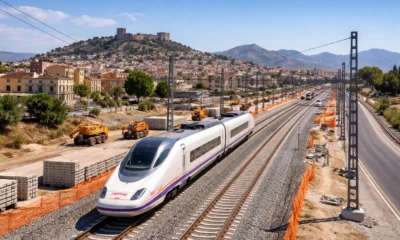

High-Speed Rail to Almeria Faces New Challenge After Roman Cemetery Found in Lorca
Published December 22, 2025 | Category: Infrastructure TL;DR: A late Roman cemetery discovered during AVE tunnelling works in Lorca adds...
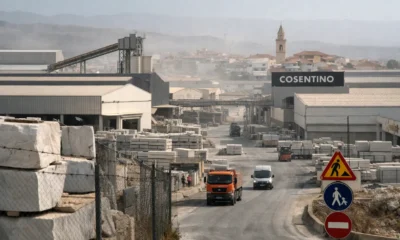

Cantoria guide. Discover Cantoria
Published January 6, 2026 | Category: Travel Tips TL;DR: Cantoria is a larger inland town in the Almanzora valley shaped...
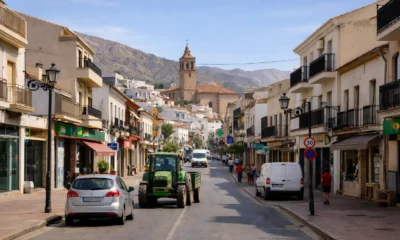

Canjayar guide. Discover Canjayar
Published January 4, 2026 | Category: Travel Tips TL;DR: Canjayar is a larger inland town in the Andarax valley with...


Berja guide. Discover Berja
Published January 4, 2026 | Category: Travel Tips TL;DR: Berja is a medium-sized town in the western Alpujarra of Almeria....

Bentarique guide. Discover Bentarique
Published January 4, 2026 | Category: Travel Tips TL;DR: Bentarique is a small agricultural village in the Andarax Valley, Almeria....
-
 Community2 days ago
Storm Francis brings snow to inland Almeria as yellow alert remains active
-
 Community3 days ago
AEMET activates yellow alert in Almeria as Storm Francis brings heavy rain
-

 Events4 days ago
Three Kings parades moved forward in Almeria
-
 Travel Tips4 days ago
Benahadux guide. Discover Benahadux
-

 Community4 days ago
Storm Francis brings heavy rain