
Infrastructure
Vera Playa Battles Coastal Erosion as Residents Demand Action
Vera Playa Battles Coastal Erosion: Urgent Action Demanded by Residents
Almería – April 30, 2025
Vera Playa, a popular seaside destination in the province of Almería, is facing a serious environmental crisis as coastal erosion continues to eat away at its beaches and infrastructure. This once-tranquil haven for tourists and naturists alike is now on alert after recent storms flooded chiringuitos, destroyed walkways, and left the coastline dangerously exposed.
Why Vera Playa Faces a Coastal Crisis
The erosion problem at Vera Playa isn’t new, but it’s escalating. Over the past decade, increasingly frequent storms have accelerated the degradation of the beachfront. The recent weather events in 2025 were particularly damaging, with waves breaching the dunes and reaching urban structures near the beach. Local authorities have acknowledged the issue, but residents argue that meaningful action is long overdue.
Residents Organize to Save Vera Playa
More than 1,600 residents and business owners have signed a petition demanding immediate intervention. Their requests include the construction of breakwaters and dune reinforcements to protect vulnerable areas like Playa Natsun. These calls to action have gained momentum on social media and within local news circles, drawing wider attention to the challenges facing Vera Playa.
Impact on Tourism and Local Economy
Vera Playa is not only known for its scenic coastline but also as one of Europe’s largest naturist resorts. Tourism plays a major role in the local economy, and stakeholders are concerned that ongoing erosion could drive visitors elsewhere. “If we don’t act now, we risk losing our identity and livelihood,” says one beachside café owner.
Municipal Response and Long-Term Plans
The Vera Town Council has pledged to commission technical studies to evaluate viable long-term solutions. However, critics point out that similar promises have been made in the past with limited follow-through. With the summer season approaching, pressure is mounting on public officials to deliver concrete results and restore public confidence.
Vera Playa at a Crossroads
As climate change continues to impact coastal zones around the world, Vera Playa finds itself at a pivotal moment. Local initiatives, combined with governmental support, could prevent irreversible damage. For now, residents remain vigilant and vocal — determined to protect one of Almería’s most beloved stretches of coastline.
Infrastructure
€5.4 million investment approved for new wastewater collectors in Balanegra, Berja and Dalias
Published January 6, 2026 | Category: Infrastructure
TL;DR: A public investment of nearly €5.4 million has been approved for the construction of new wastewater collectors in Balanegra, Berja and Dalias. The project will modernise ageing sanitation networks and benefit around 18,000 residents across the three municipalities.
€5.4 million investment approved for new wastewater collectors in western Almeria
The Andalusian regional government has approved a new infrastructure project aimed at upgrading wastewater collection systems in Balanegra, Berja and Dalias, in the western part of Almeria province. The investment, valued at €5,470,980, forms part of ongoing efforts to modernise sanitation infrastructure and improve environmental management.
The approved works include the construction of new wastewater collectors designed to address long-standing issues linked to ageing pipelines, limited capacity and system saturation. The new collectors will group multiple discharge points and connect them to existing networks, ensuring wastewater is properly conveyed to local treatment facilities.
In total, the project foresees the installation of close to ten kilometres of new collector pipes. Once completed, the upgraded network is expected to improve operational reliability, reduce the risk of overflow incidents and optimise wastewater treatment before discharge.
The works are scheduled with an estimated execution period of 12 months. According to regional authorities, the investment will directly benefit around 18,000 inhabitants living across the three municipalities.
The collector project was originally declared of general interest in 2010, highlighting the long-standing nature of the infrastructure challenges now being addressed. With the contract now signed, the initiative moves from planning into execution after more than a decade.
Looking for updates on public works, utilities and infrastructure projects across the province? Browse the latest stories in our Infrastructure section.
Infrastructure
AP-7 Cartagena–Vera toll prices rise by 2% in 2026
Published January 5, 2026 | Category: Infrastructure
TL;DR: The AP-7 toll motorway between Vera and Cartagena has updated its prices from January 1, 2026, with a 2% rise. The road remains free every night from 00:00 to 06:00.
AP-7 Cartagena–Vera toll prices rise by 2% in 2026, with free overnight travel still in place
Drivers using the AP-7 Cartagena–Vera toll motorway (a key route for Almeria’s Levante area) are paying slightly more from January 1, 2026, after a 2% tariff update for state-managed toll roads. The section is operated by SEITT and connects the Vera area with Murcia province, carrying a mix of tourism traffic and regular logistics flows.
One detail that remains important for regular users is the overnight free-access window: the AP-7 Cartagena–Vera continues to be toll-free every day between 00:00 and 06:00. During charged hours, tolls apply from 06:00 to 24:00, as reflected in the updated 2026 tariff sheet published for the route.
For quick reference, here are a few examples for light vehicles during charged hours (06:00–24:00). Prices vary depending on payment method (telepeaje vs card/cash):
| Journey (light vehicles) | Telepeaje | Cash / card |
|---|---|---|
| Vera → Cuevas del Almanzora | €1.25 | €1.40 |
| Vera → Pulpí | €2.40 | €2.70 |
| Vera → Aguilas | €3.65 | €4.10 |
| Vera → Cartagena | €10.15 | €11.35 |
The updated price list for the full corridor (including intermediate exits) is available in SEITT’s published document: Tarifas AP-7 Cartagena–Vera 2026 (PDF). The tariff framework for these state-operated roads is also reflected in the related BOE publication covering the Council of Ministers agreement on applicable tariffs.
For residents and businesses in the Levante of Almeria, this corridor remains a strategic high-capacity option for reaching Murcia and beyond — especially for early-morning or overnight journeys where the toll-free window can make a meaningful difference for frequent users and the transport of agricultural goods.
Want to follow road projects, upgrades and transport changes across the province? Browse the latest updates in Infrastructure.
Infrastructure
Roquetas de Mar tenders new urban transport service with €15 million, ten-year contract
Published January 3, 2026 | Category: Infrastructure
TL;DR: Roquetas de Mar has approved a ten-year tender for a new urban transport service with a total budget exceeding €15 million. The decision signals a long-term reset of local public transport rather than a short-term service update, with implications for daily mobility, car dependency and access across the municipality.
Roquetas de Mar tenders a new urban transport service with a €15 million, ten-year contract
The municipality of Roquetas de Mar has approved the tender process for a new urban transport service, committing more than €15 million over a ten-year period. Rather than a routine renewal, the length and scale of the contract point to a structural rethink of how public transport functions within the town.
Urban bus services rarely attract attention unless they fail. Yet decisions taken at this level quietly shape daily life: how residents move between neighbourhoods, how dependent households remain on private cars, and how accessible services are for people without permanent access to a vehicle.
A long-term contract for a new urban transport service
A ten-year concession is a deliberate choice. It provides operational stability for the future operator but also locks in a transport model that will influence mobility patterns well into the next decade. Short contracts tend to prioritise cost control; long ones allow for route restructuring, fleet renewal and gradual adjustments to demand.
In a municipality with year-round residents, seasonal population swings and a dispersed urban layout, this kind of horizon matters. Public transport in Roquetas de Mar is not only about commuting, but also about access to healthcare, education, administrative services and commercial areas.
What this signals about urban mobility
The approved budget reflects more than operating costs. It suggests an acknowledgement that urban transport is a core municipal service rather than an auxiliary one. In practical terms, this opens the door to changes in route coverage, service frequency and vehicle allocation, although no specific operational details have yet been published.
For residents who rely on buses — including older populations, younger residents without cars and seasonal workers — the effectiveness of the future service will be felt immediately. For others, the impact may be indirect: reduced congestion in certain areas or shifts in parking pressure if public transport becomes a more viable alternative.
No operator selected yet
At this stage, the decision concerns the tender itself, not the appointment of an operator. The next phase will involve the publication of technical and administrative requirements, followed by a competitive bidding process. Until that process is completed, no firm conclusions can be drawn about vehicles, timetables or route changes.
The transition from the current service model to the new concession will depend on the outcome of that process and any overlap period required to ensure continuity. As with most infrastructure contracts, the practical effects will emerge gradually rather than overnight.
Why this matters beyond transport
Urban transport decisions are often read narrowly as mobility issues, but they also reflect broader planning priorities. A long-term commitment of this size suggests that Roquetas de Mar is positioning itself as a consolidated urban area rather than a purely car-oriented coastal town.
Whether that intention translates into meaningful improvements will depend on execution. The framework is now set; the effectiveness of the future service will determine whether public transport becomes a genuine option for daily movement or remains a secondary choice.
For more reporting on public transport, urban planning and long-term infrastructure decisions across the province, explore the Infrastructure section.

Uleila del Campo guide. Discover Uleila del Campo

Lucainena de las Torres guide. Discover Lucainena de las Torres

Almond blossom routes in Almeria: villages, walks and when to go

Events in Almeria: January & February concerts, theatre and Carnaval

Albox sets out key projects for 2026 as new municipal budget takes effect

€5.4 million investment approved for new wastewater collectors in Balanegra, Berja and Dalias

Hailstorm hits Adra on Three Kings’ Day as Storm Francis brings more unstable weather

Almeria remains “frozen” as Storm Francis lingers, with frost alerts and road impacts

Antas plans cultural and walking landmark at Cabezo Maria

Rain shortens Three Kings Parade in Huércal-Overa


Almeria Housing Market Outlook 2026: Rising Prices, Slower Pace
Published December 30, 2025 | Category: Real Estate & Economy TL;DR: Almeria enters 2026 with a housing market that is...


€26 million allocated for new AVE railway station in Almeria
Published December 23, 2025 | Category: Infrastructure TL;DR: The Andalusian regional government will invest €26 million in the future AVE...


Costa de Almeria closes 2025 with strong tourism momentum ahead of FITUR 2026
Published December 23, 2025 | Category: Community TL;DR: Costa de Almeria has wrapped up 2025 with more than 70 tourism...
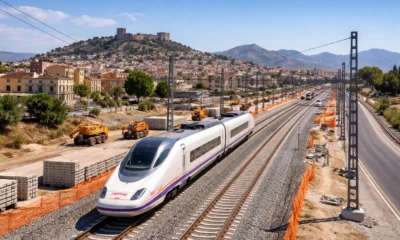

High-Speed Rail to Almeria Faces New Challenge After Roman Cemetery Found in Lorca
Published December 22, 2025 | Category: Infrastructure TL;DR: A late Roman cemetery discovered during AVE tunnelling works in Lorca adds...
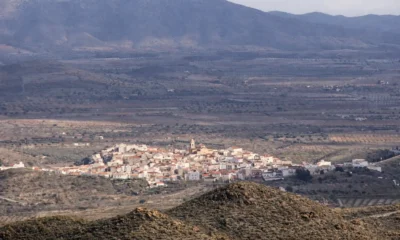
Uleila del Campo guide. Discover Uleila del Campo
Published January 8, 2026 | Category: Towns & Villages TL;DR: Uleila del Campo is a working inland village, not a...
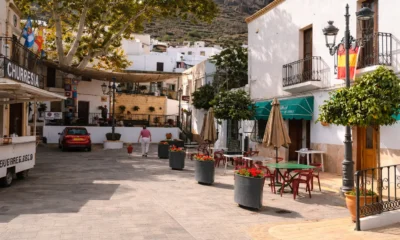
Lucainena de las Torres guide. Discover Lucainena de las Torres
Published January 8, 2026 | Category: Towns & Villages TL;DR: Lucainena de las Torres is a small, well-kept village in...

Cantoria guide. Discover Cantoria
Published January 6, 2026 | Category: Towns & Villages TL;DR: Cantoria is a larger inland town in the Almanzora valley...
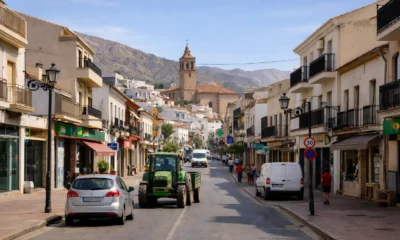

Canjayar guide. Discover Canjayar
Published January 4, 2026 | Category: Travel Tips TL;DR: Canjayar is a larger inland town in the Andarax valley with...
-

 Community3 days ago
Storm Francis brings snow to inland Almeria as yellow alert remains active
-

 Community4 days ago
AEMET activates yellow alert in Almeria as Storm Francis brings heavy rain
-

 Events6 days ago
Three Kings parades moved forward in Almeria
-
 Travel Tips6 days ago
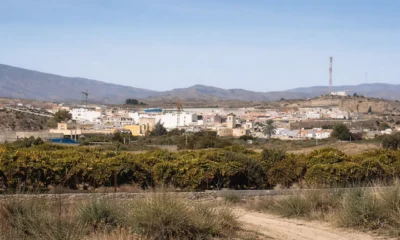
Benahadux guide. Discover Benahadux
-

 Community6 days ago
Storm Francis brings heavy rain